The Modern Guest Management Playbook for High-Touch Events
A cleaner operating model for guest status, VIP notes, family grouping, and exception handling.
Cam-Events AI Editorial7 min read
One guest record, many teams
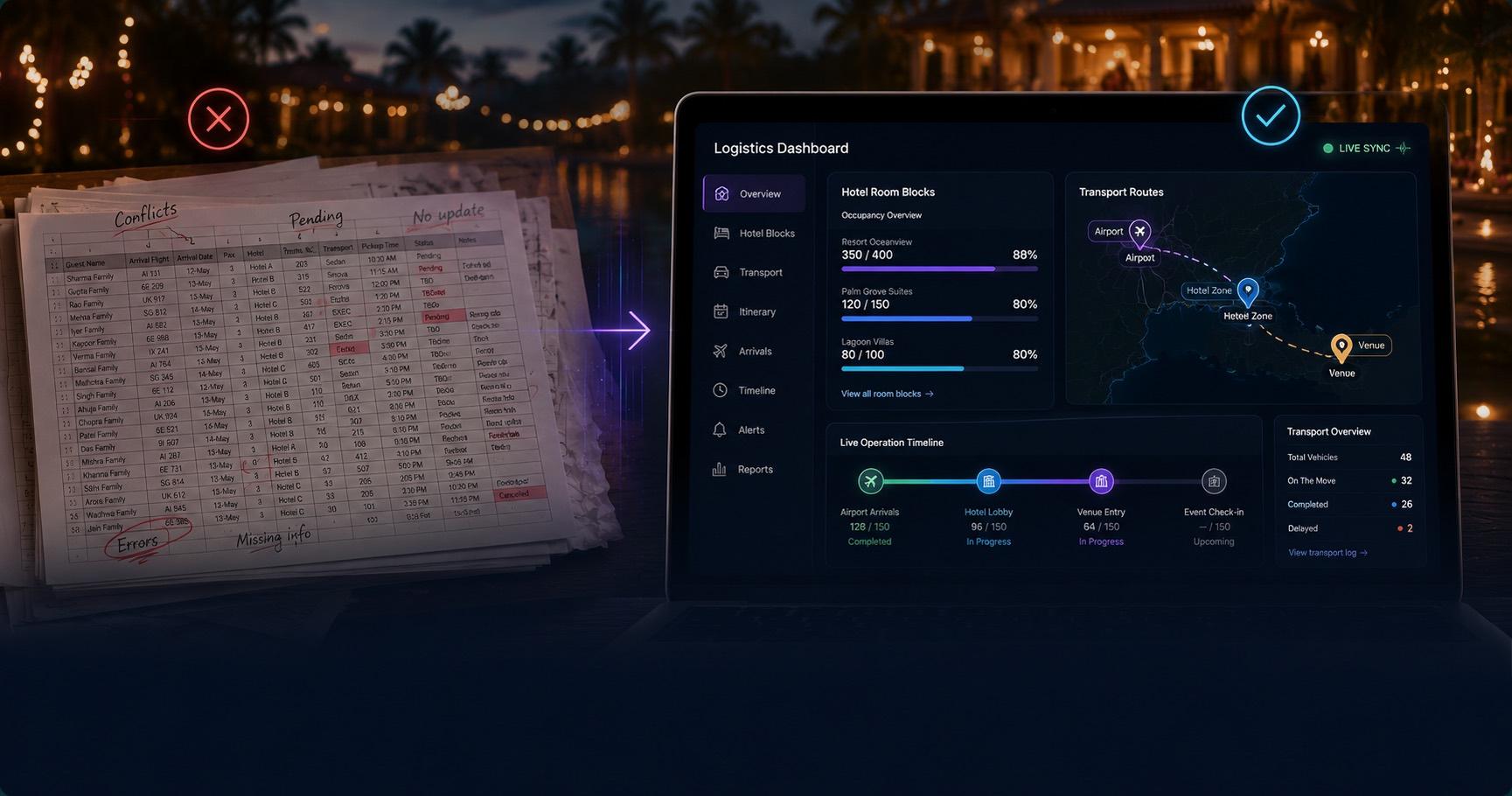
Spreadsheets are useful for collecting a first guest list, but they become unreliable when hotel, transport, check-in, and hospitality teams each maintain a separate copy. A change to one family can affect invitations, room occupancy, airport pickups, meal counts, and event access. Without a shared record, every team has to ask whether its sheet is still current.
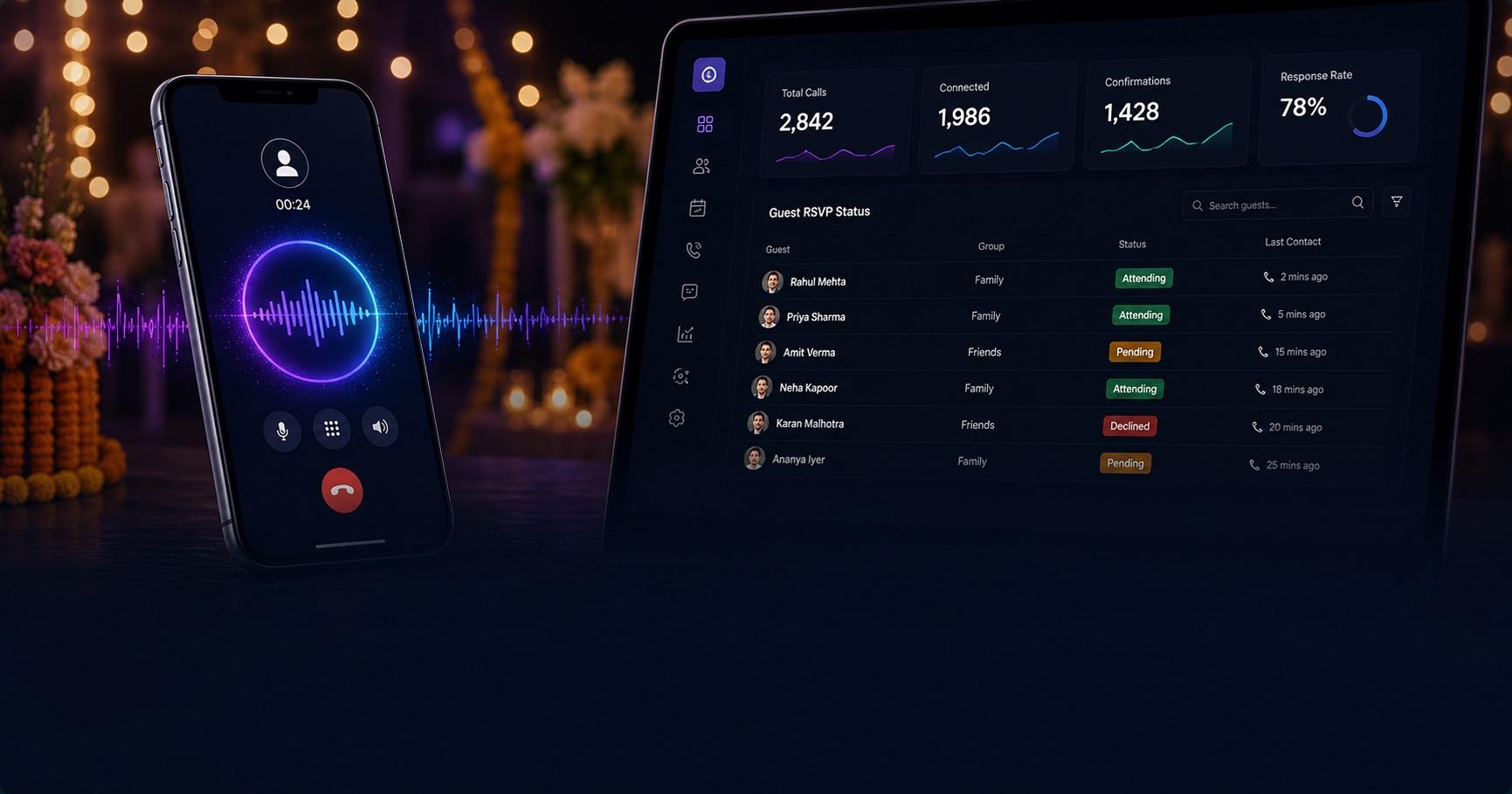
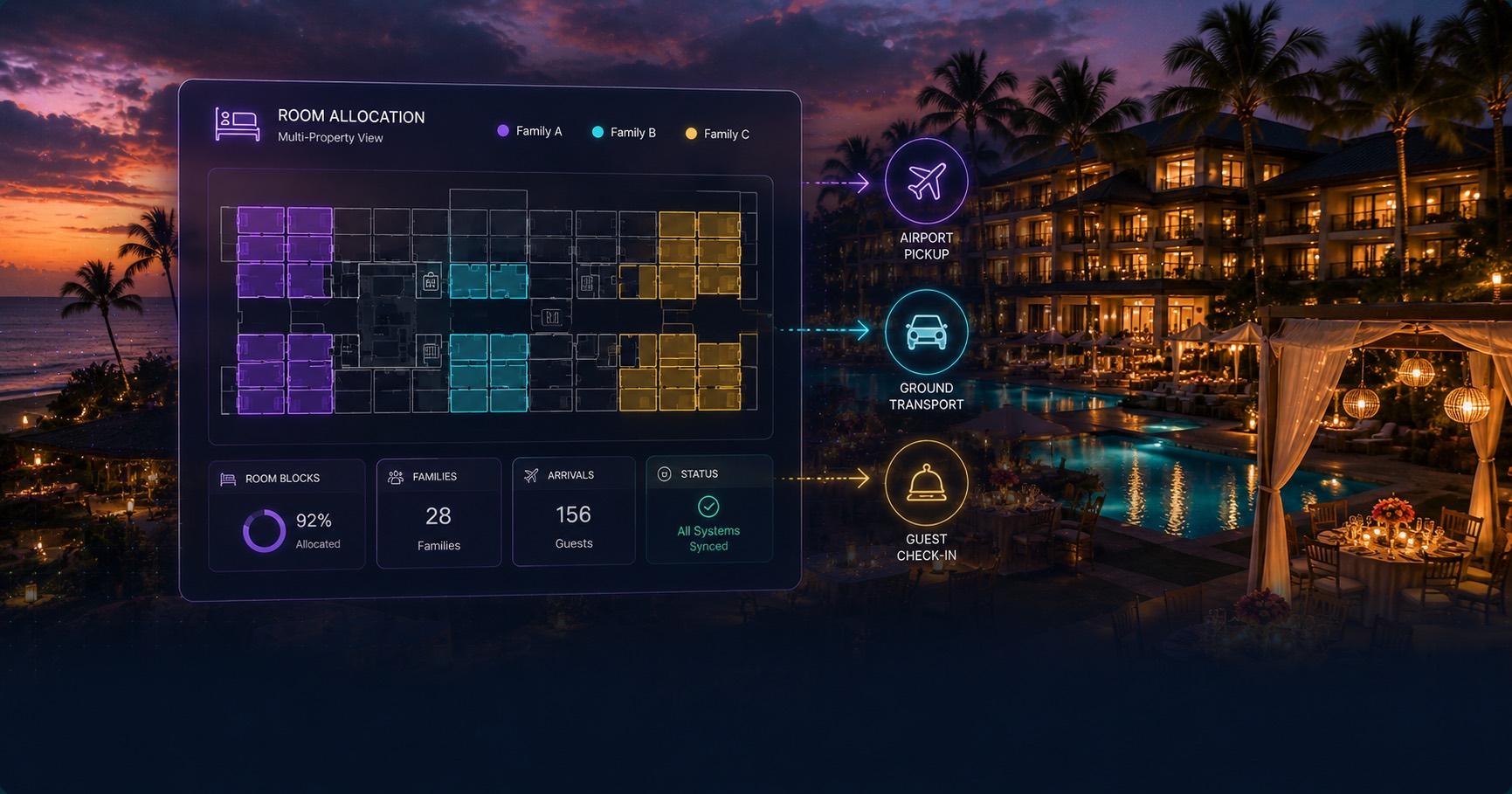
A guest management system should create one operational profile and let each team see the part needed for its work. The organizer retains the full view, while a driver sees assigned pickup details and hotel staff see the relevant rooming information. This reduces duplication without turning the guest database into an unrestricted directory.
Fields that actually matter
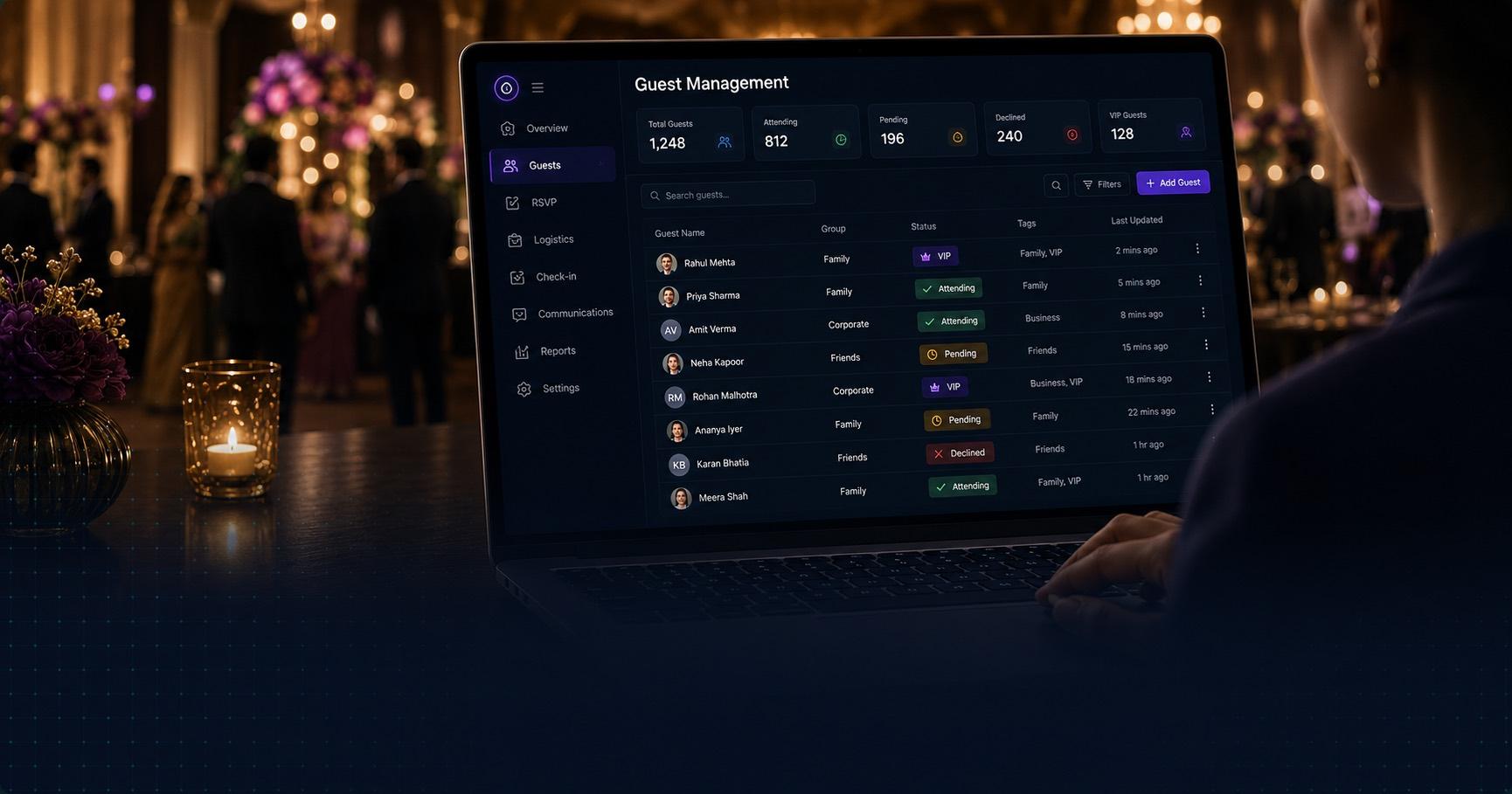
Start with identity and contact data: preferred name, primary mobile number, email when available, family or company group, host-side owner, and alternate contact. Then add only fields that drive an action, such as RSVP by function, party size, dietary or accessibility needs, arrival and departure details, hotel requirement, room category, transport requirement, and VIP service level.
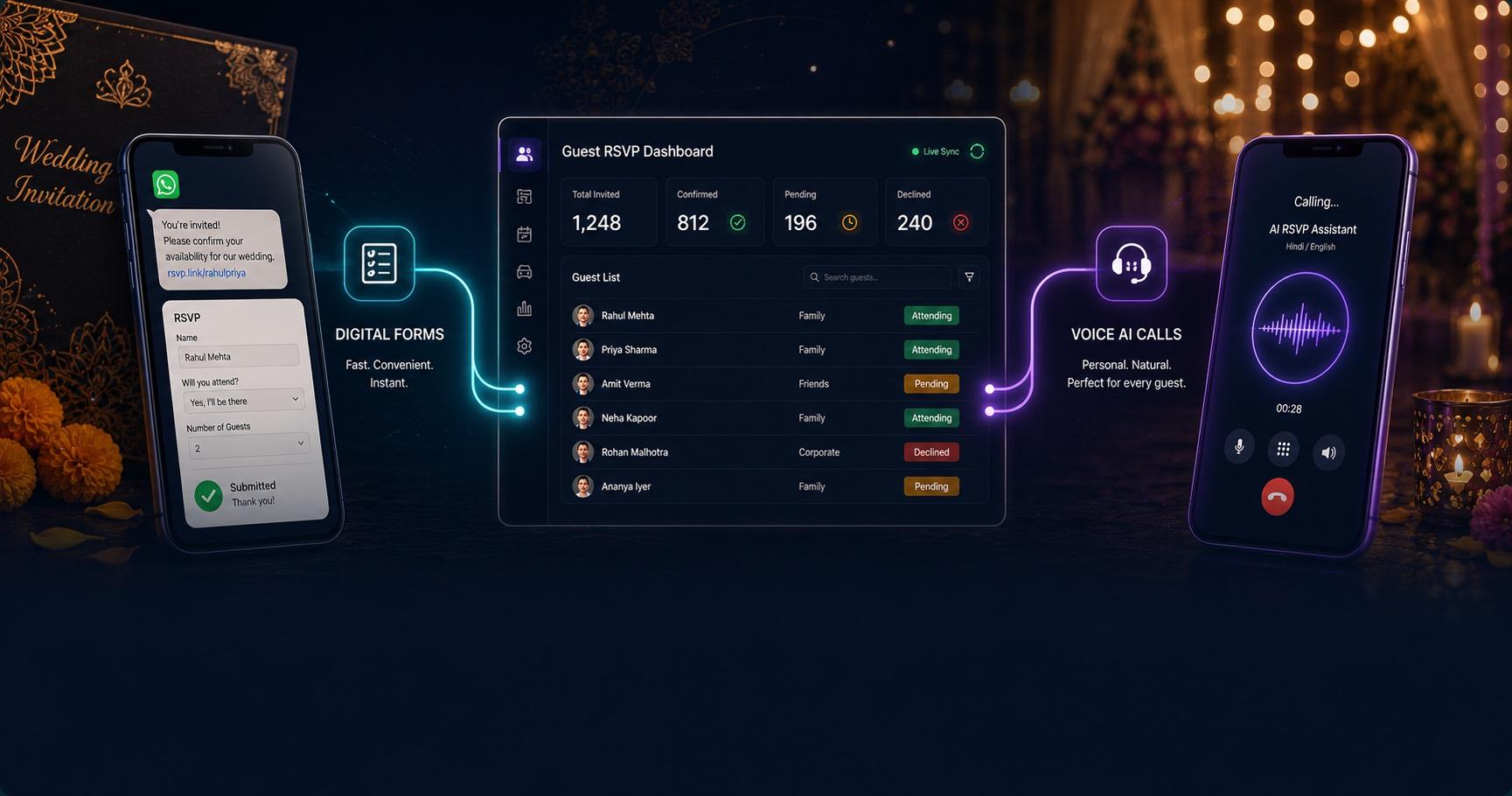
Every important status needs a source and timestamp. A guest marked confirmed by an AI call, a public RSVP form, or an organizer override should not look identical in the audit trail. Teams also need notes with ownership and visibility rules; a transport instruction may be operationally useful, while a private host note should never appear in a driver's view.
Treat spreadsheet import as a review workflow
Import should not be a blind upload. Show invalid phone numbers, malformed emails, duplicate contacts, missing required fields, unknown hotel names, and conflicting group sizes before creating records. Let the operator download an error file, correct it in bulk, and rerun validation without losing the original source.
Duplicate handling is especially important for Indian family lists, where one mobile number may represent several invitees. The system should distinguish a legitimate household contact from two accidental copies. Merging records must preserve communication history, allocations, notes, and audit events rather than simply deleting one row.
Model functions instead of one generic attendance flag
Multi-day weddings and conferences rarely have one universal attendance decision. A guest may attend the reception but not the morning function, or join only selected conference sessions. Store RSVP and access by function, date, and venue so catering, seating, rooms, transport, and check-in use the correct population.
Programme changes should not overwrite history silently. If a venue or time changes after invitations are sent, the operations team needs to know which guests were notified, through which channel, and which responses may need reconfirmation. A reusable event template can speed setup, but every event still needs a review of functions, permissions, and communication rules.
Design access around assignments
Role names alone are not enough. A driver should not see every guest who needs transport, and one hotel's desk should not see rooming information for another property. Scope access to assigned trips, hotels, venues, shifts, or service jobs, and remove sensitive fields from views that do not need them.
Keep a supervisor path for exceptions. Field staff may need temporary access to resolve a walk-in, replacement vehicle, or room reassignment, but that access should be approved, time-bounded, and logged. The same principle applies to exported rooming lists and reports: generate only the minimum dataset required for the receiving team.
Design for exceptions
Walk-ins, plus-ones, room upgrades, delayed flights, changed vehicles, and last-minute declines are normal event operations. Each exception should have a status, owner, priority, due time, and resolution note. A live queue is more useful than a dashboard that reports a problem but gives nobody responsibility for fixing it.
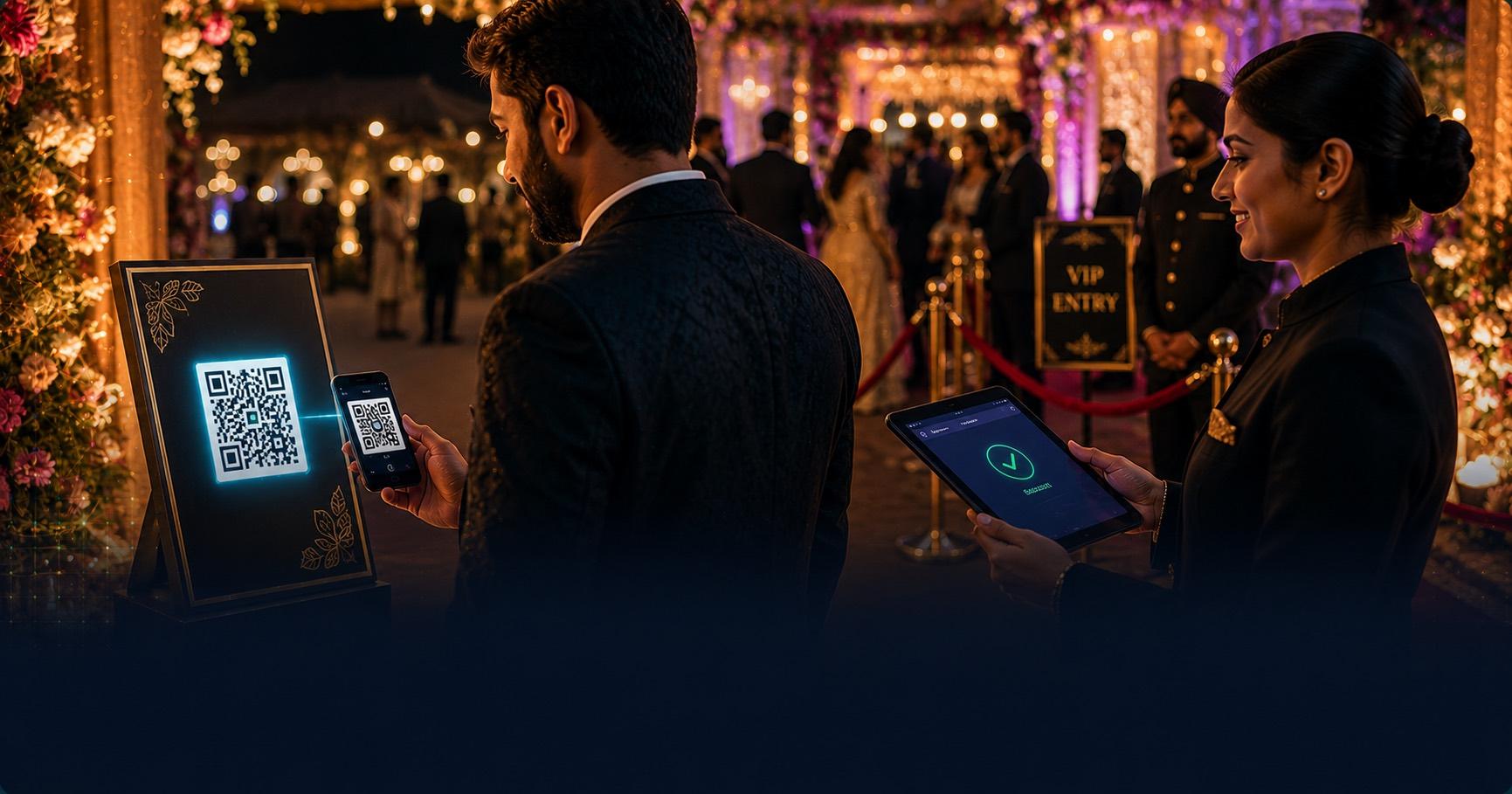
Offline operation also matters. Check-in and field teams should be able to queue essential updates when venue connectivity drops, see which actions are waiting to synchronize, and resolve conflicts safely when the connection returns. Recent activity should survive an app restart rather than living only in temporary device memory.
Close the event with a retention decision
After the event, export the reports the agency and client are entitled to receive, revoke temporary staff access, and archive the workspace. Decide how long contact data, identity documents, call transcripts, location history, and incident evidence should remain available. Different data classes should not all inherit one indefinite retention period.
The strongest guest-management process is therefore a lifecycle: validate the list, communicate with consent, operate through assignment-scoped views, record exceptions, and delete or anonymize data when its purpose ends. That discipline creates more trust than adding another dashboard chart.